top of page

Your first look at camp

Get to know Sugar Bay

Sugar Bay is a sleepover holiday camp for children and teens aged 7–17 in Zinkwazi Beach, on KwaZulu-Natal’s North Coast, South Africa. Welcoming campers since 2001, it offers school-holiday stays with cabin accommodation, a wide choice of activities and trained counselors caring for campers throughout their stay.

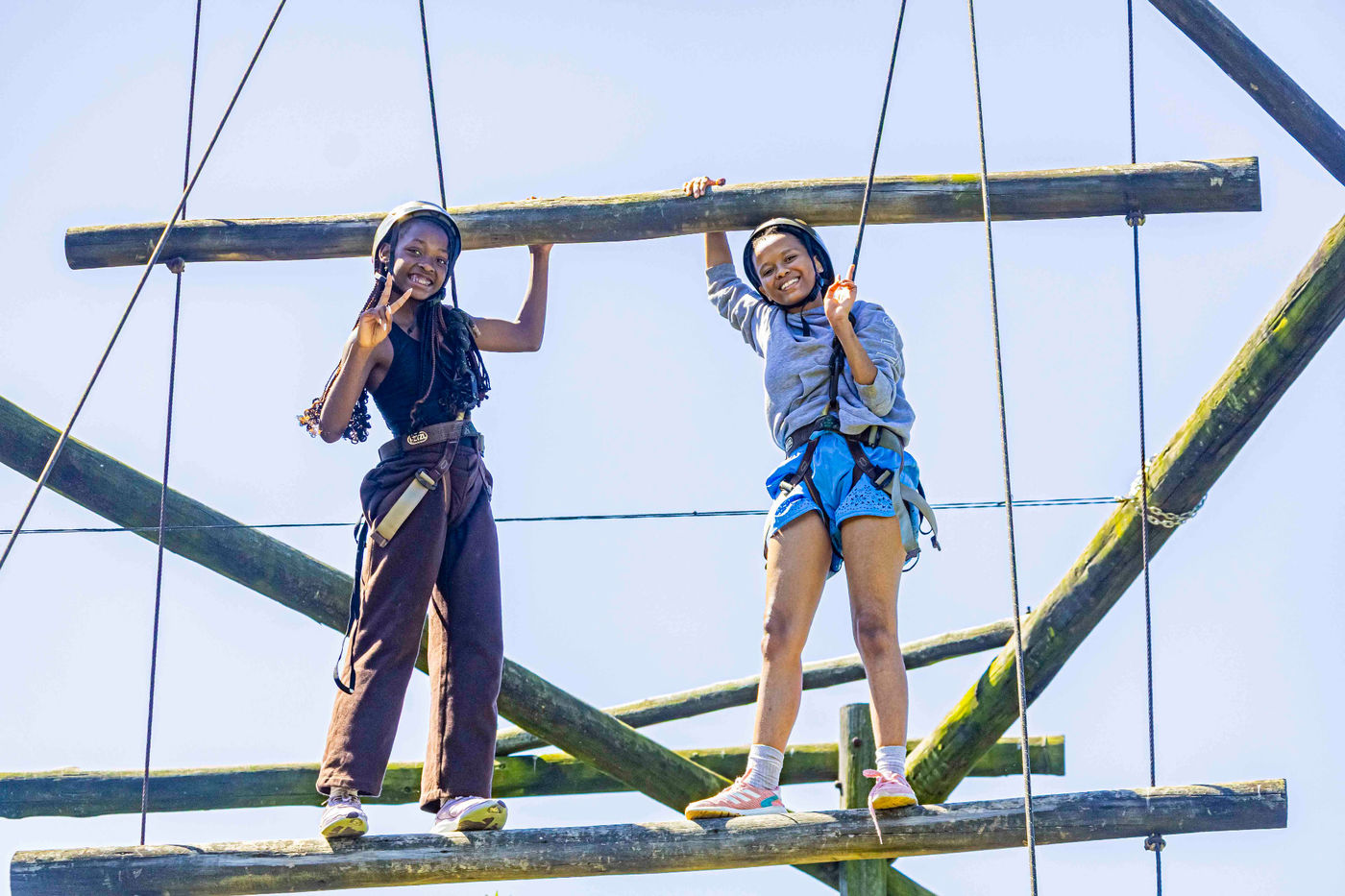
Two helmeted campers on Sugar Bay’s high-ropes course.
On this page
Sugar Bay founder Zoë Ellender sitting beside the water with a chessboard.
Zoë Ellender · Founder & director

01 / Our story

Why Zoë started Sugar Bay

Zoë Ellender’s idea for Sugar Bay began with childhood holidays on her grandparents’ farm in the Free State. Her older cousins were role models, and the days were full of climbing, building forts and exploring together. Those memories of freedom, friendship and adventure stayed with her.

Years later, when she realised she was unhappy in her legal career, Zoë thought back to those holidays. She wanted to give other children the chance to experience that kind of childhood adventure: being outdoors, trying things for themselves and having people around them to look up to.

American summer camps showed her a way to bring that idea to South Africa. During her research, she spoke with counselors who had worked at camps in the United States. Their enthusiasm, creativity and the difference they could make in children’s lives helped convince her. After 14 months of research and planning, Sugar Bay welcomed its first campers in 2001.

Choice was part of her vision. Zoë wanted children to discover what interested them, make decisions and build friendships of their own. Camp gives them opportunities to practise those things with trained counselors nearby to encourage and guide them.

For Zoë, freedom comes with responsibility. Fun, safety and respect for people and the environment have guided camp from the start. Counselors learn children’s names, listen, notice their effort and share their own interests. The aim is to give each child room to explore and grow, within clear boundaries and with adults who take their care seriously.

The people you’re trusting with your child

Counselors are the trained staff who lead activities and care for campers during meals, cabin time and overnight. Our counselor-to-camper ratio is 1:3. Recruitment includes interviews, references and police clearance, followed by training in supervision, child behaviour, First Aid and CPR.

Cabin counselors, Camp Mom and the nurse-run Health Centre have distinct roles in looking after your child. Below, we explain how that care works in everyday camp life.

02 / Life at camp

What a stay at camp is like

Arriving and settling in

Your child can come without a friend or sibling. Counselors welcome families, help with check-in and introduce campers to their cabin group. You confirm contact and medical information and hand in routine medication; counselors then help your child unpack, learn the programme and meet other campers through name games and shared activities. These shared experiences give children a way to start conversations and build new friendships.

Cabin groups are arranged by grade, with campers of similar ages and gender together. You can request that friends or siblings share when booking, and the team will confirm what is possible.

A familiar routine, with room to choose

Days follow a rhythm of breakfast, activity choices, shared meals, more activities, rest time, dinner, an evening programme and bedtime. Counselors help younger campers with everyday routines. Older campers have age-appropriate programmes and opportunities to make their own choices within camp rules.

Campers choose from the activities available that day, including water sports, climbing, BMX, skating, team sports, arts and crafts, dance and drama. They can return to something they enjoy or try something new. If an activity makes them uncomfortable, they can ask a counselor about another option. Making choices and trying unfamiliar activities gives them opportunities to discover new interests and grow in confidence.

Each holiday session has its own theme, which shapes events and evenings such as games, shows and campfires. Activities depend on the programme, conditions and age and ability requirements. Campers can also choose to develop skills through Sugar Bay’s certified activity levels.

Campers showing their colourful tie-dyed shirts.
Creative choices, alongside sport and adventure.
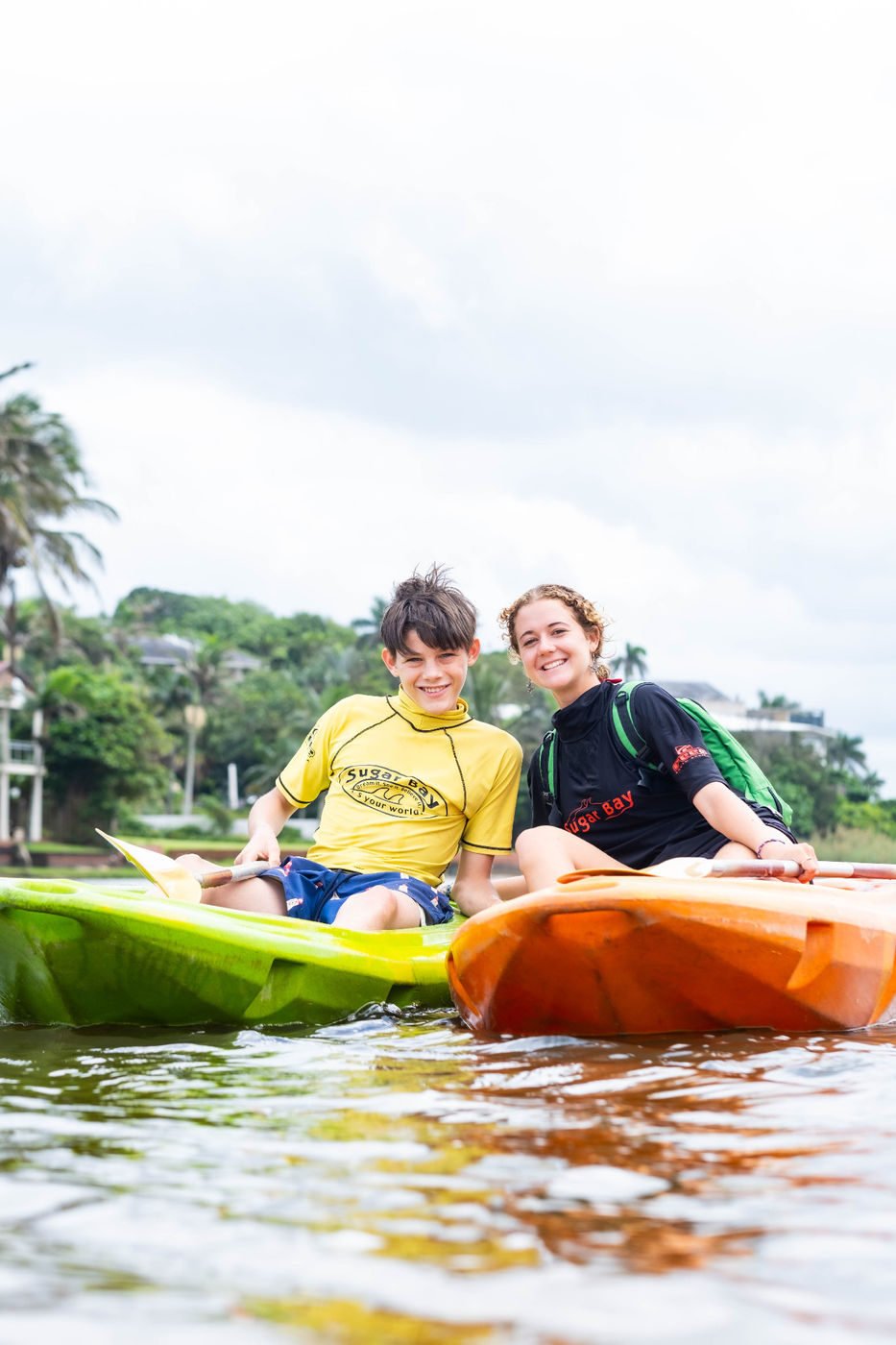
Campers kayaking together at Sugar Bay.
Trying activities with other campers.

Their home at camp

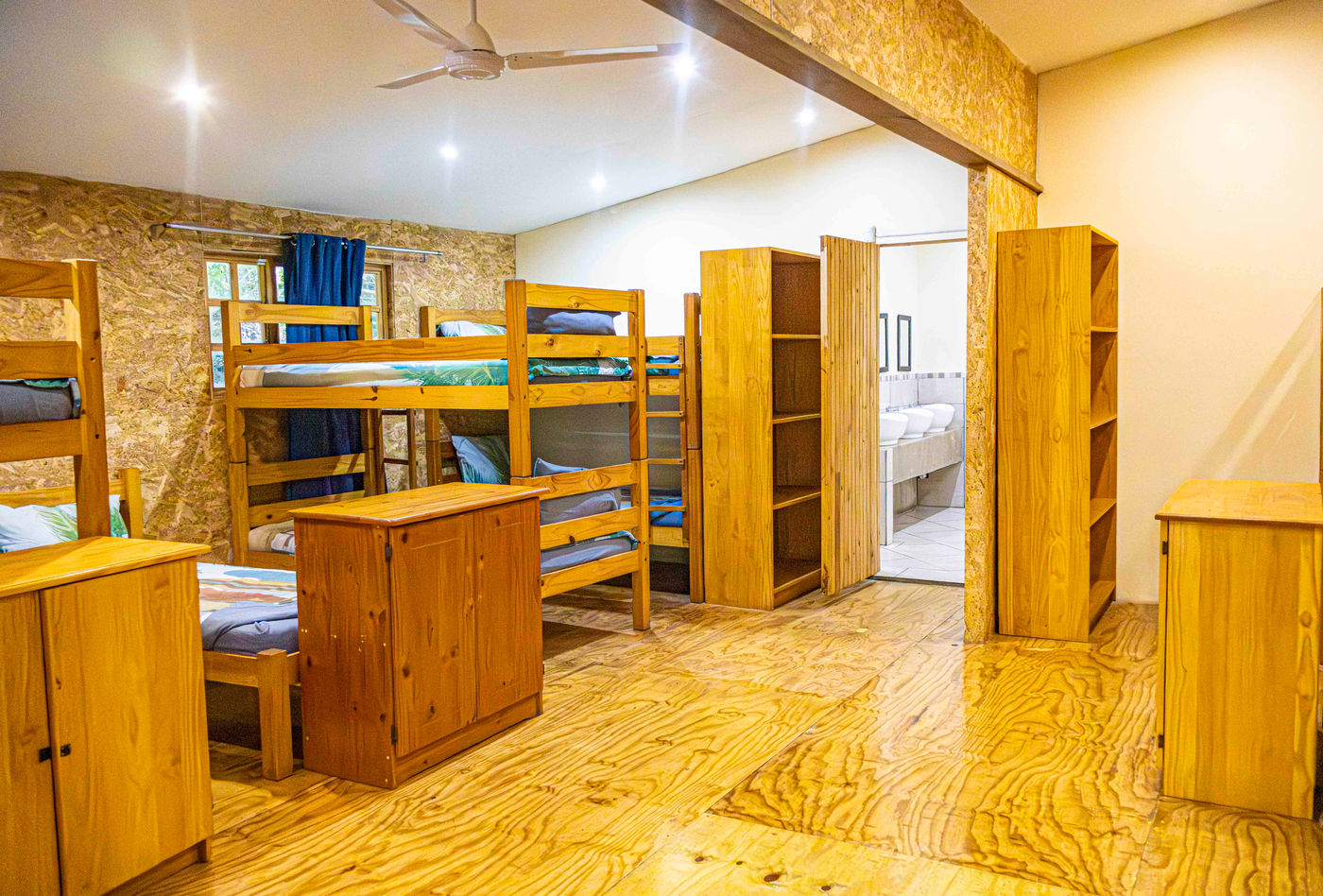
Beds and storage inside a wooden Sugar Bay cabin.
Wooden cabins, with space for beds and belongings.

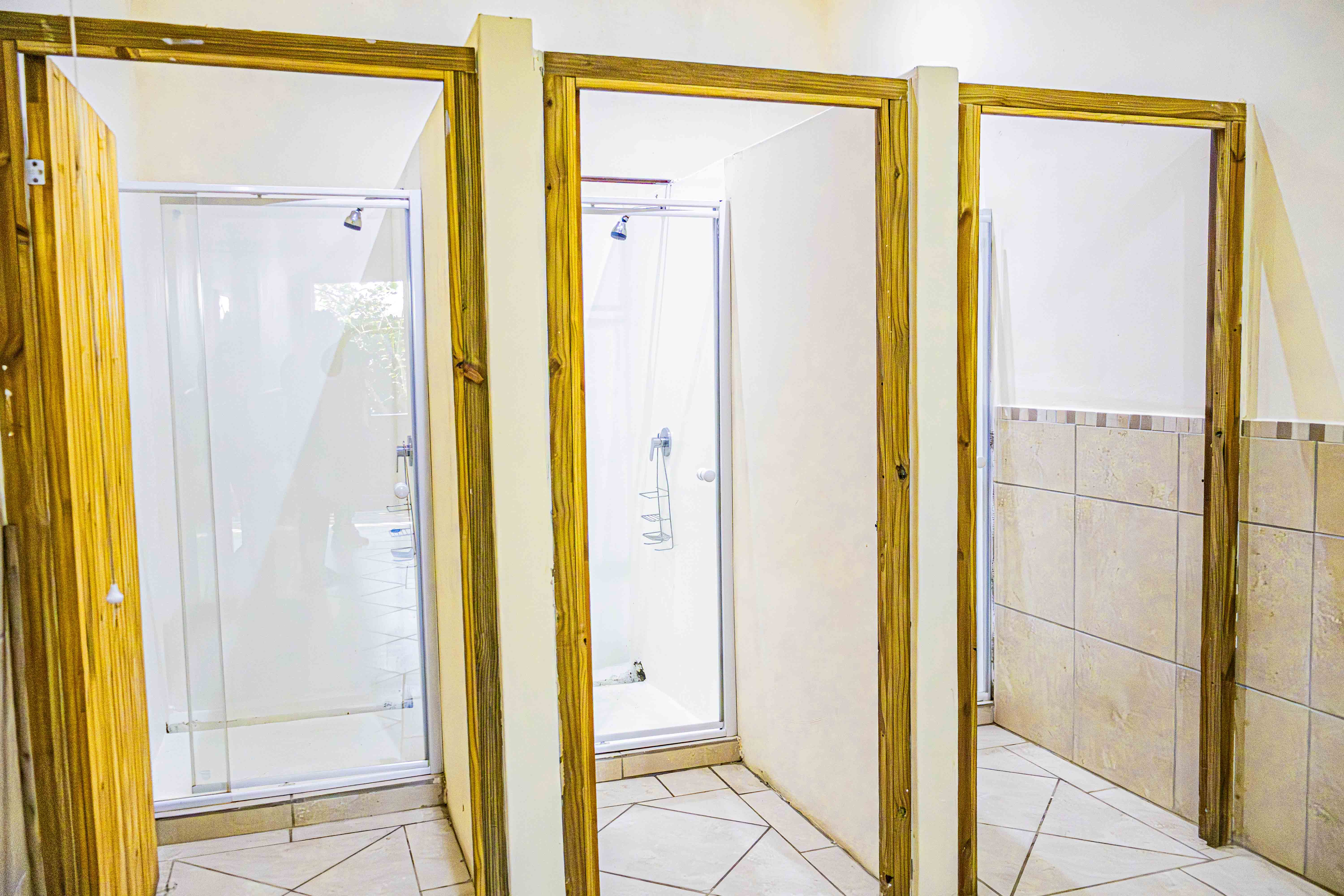
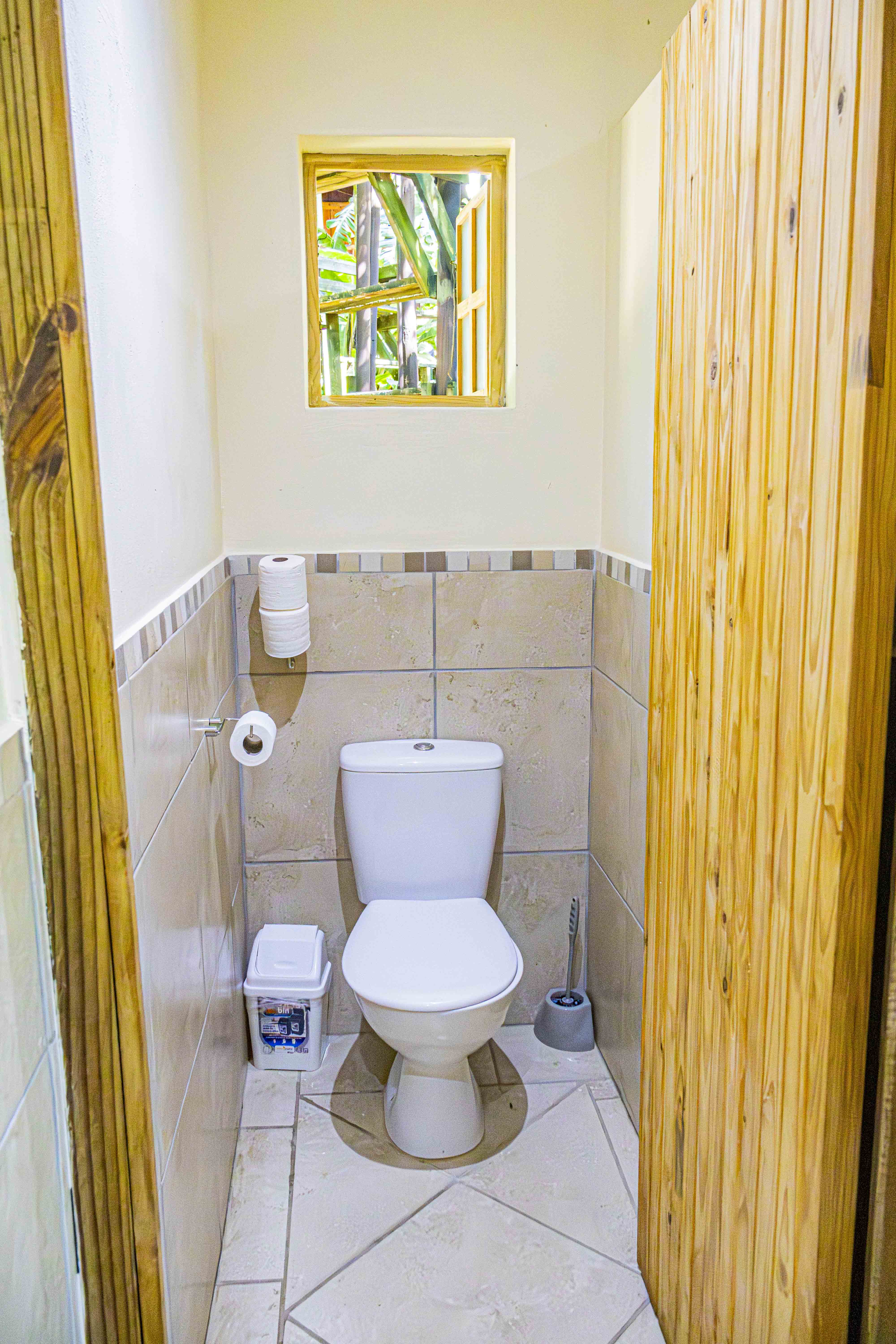
Campers sleep in wooden cabins with bunk beds, en-suite bathrooms and bedding supplied. Counselors stay in the cabins overnight and help children organise their belongings and follow their routines. Everyday tasks, from keeping track of belongings to living alongside others, give children practice in independence and consideration. Housekeeping cleans the bathrooms.

Here are the actual sleeping area, showers, toilets and basins. You can also take a look inside with our cabin-and-bathroom tour.

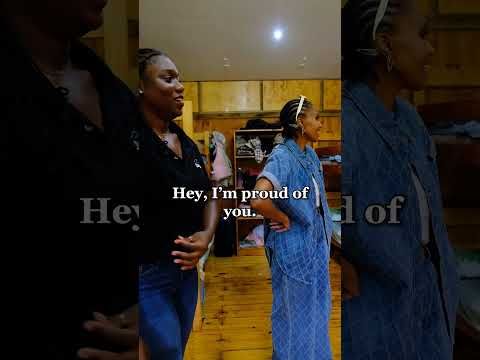
Take a look inside our cabins and bathrooms.

For more detail about showering and changing, the Parent FAQ includes “How is privacy managed when campers shower and change?”

Official thumbnail of the Sugar Bay cabin and bathroom tour.
Open the cabin & bathroom tour →

What they eat

Three meals a day are included in the camp fee. Campers eat with their cabin group. Fruit and vegetables are available at meals. Snacks are served in the morning, afternoon and evening.

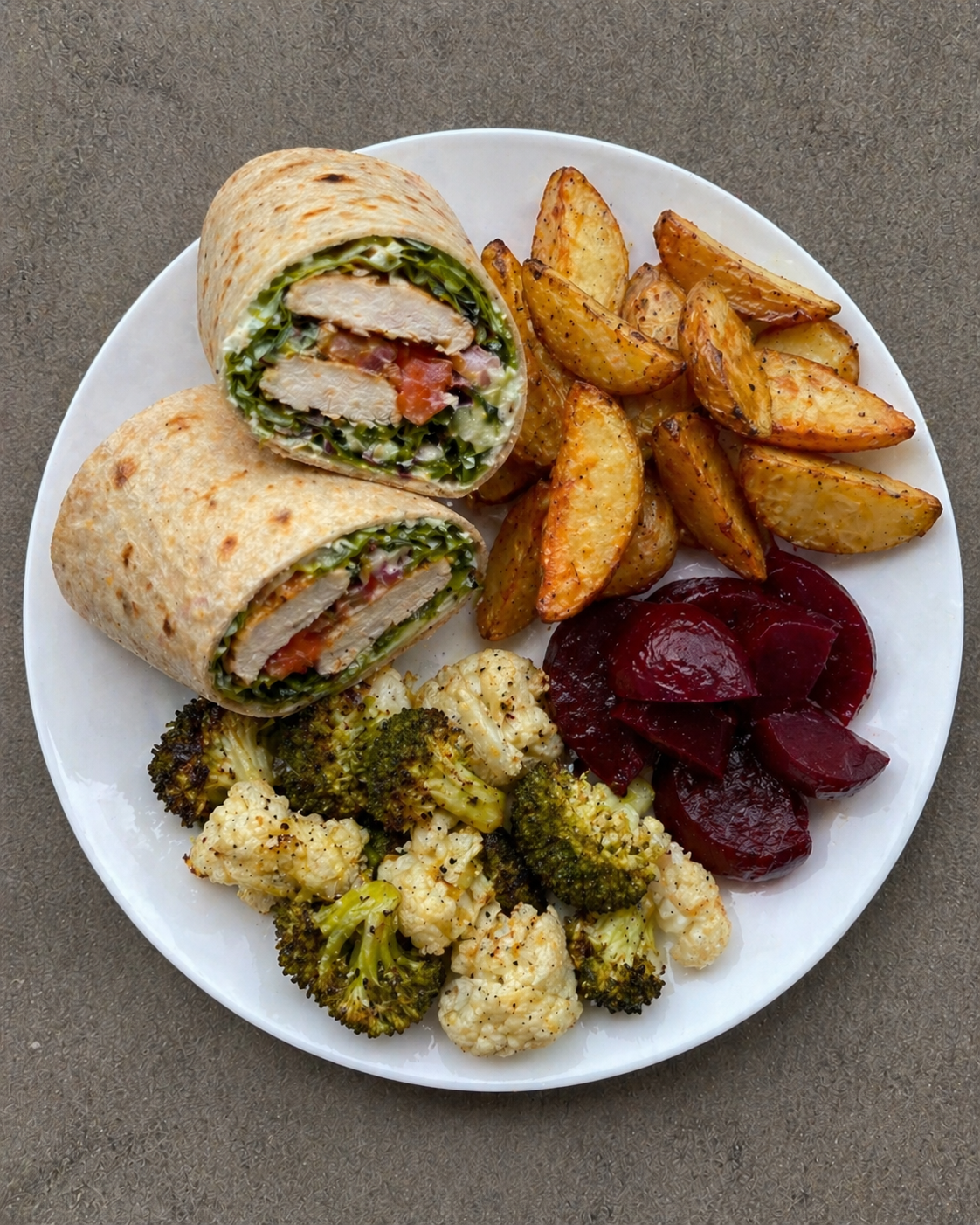
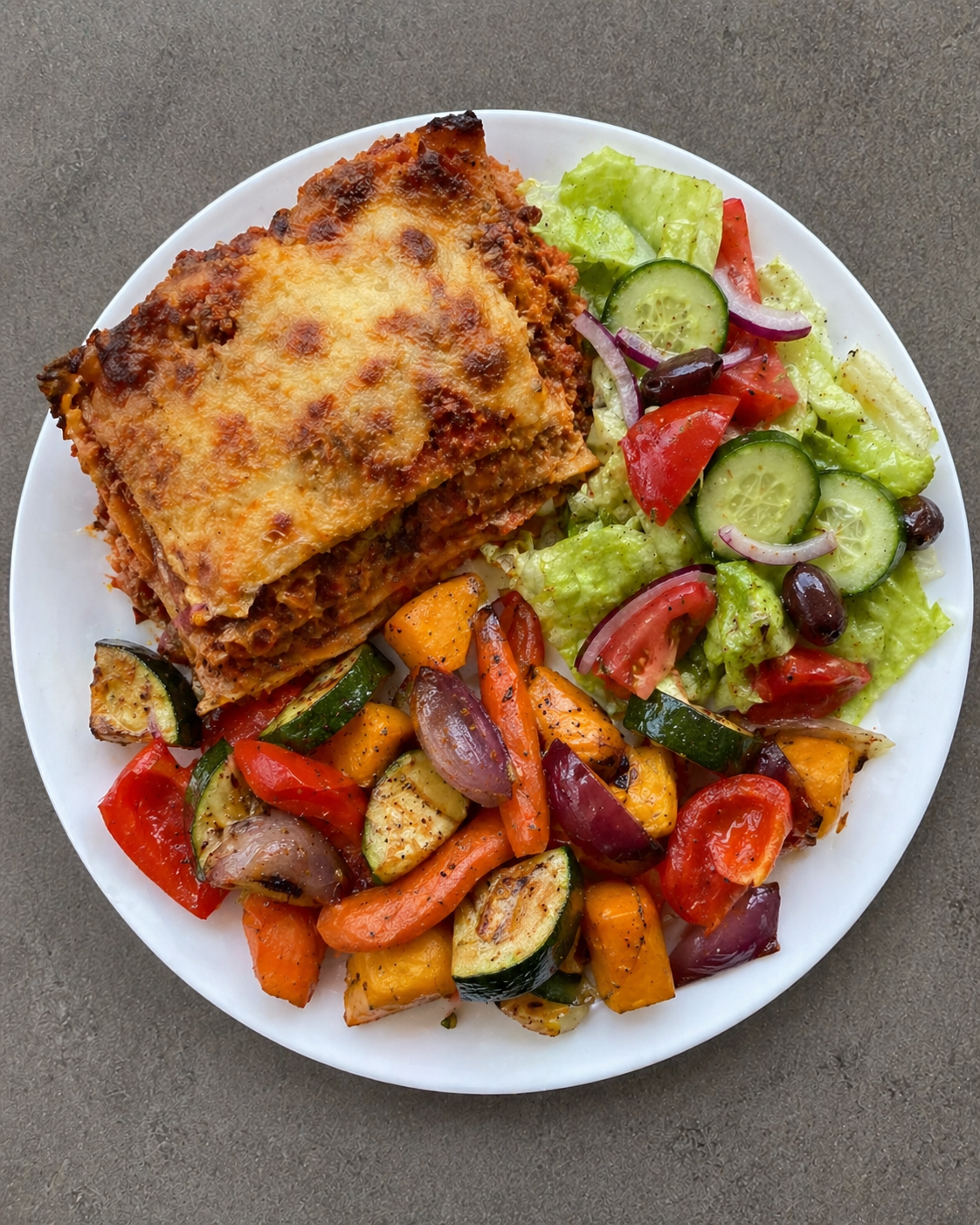
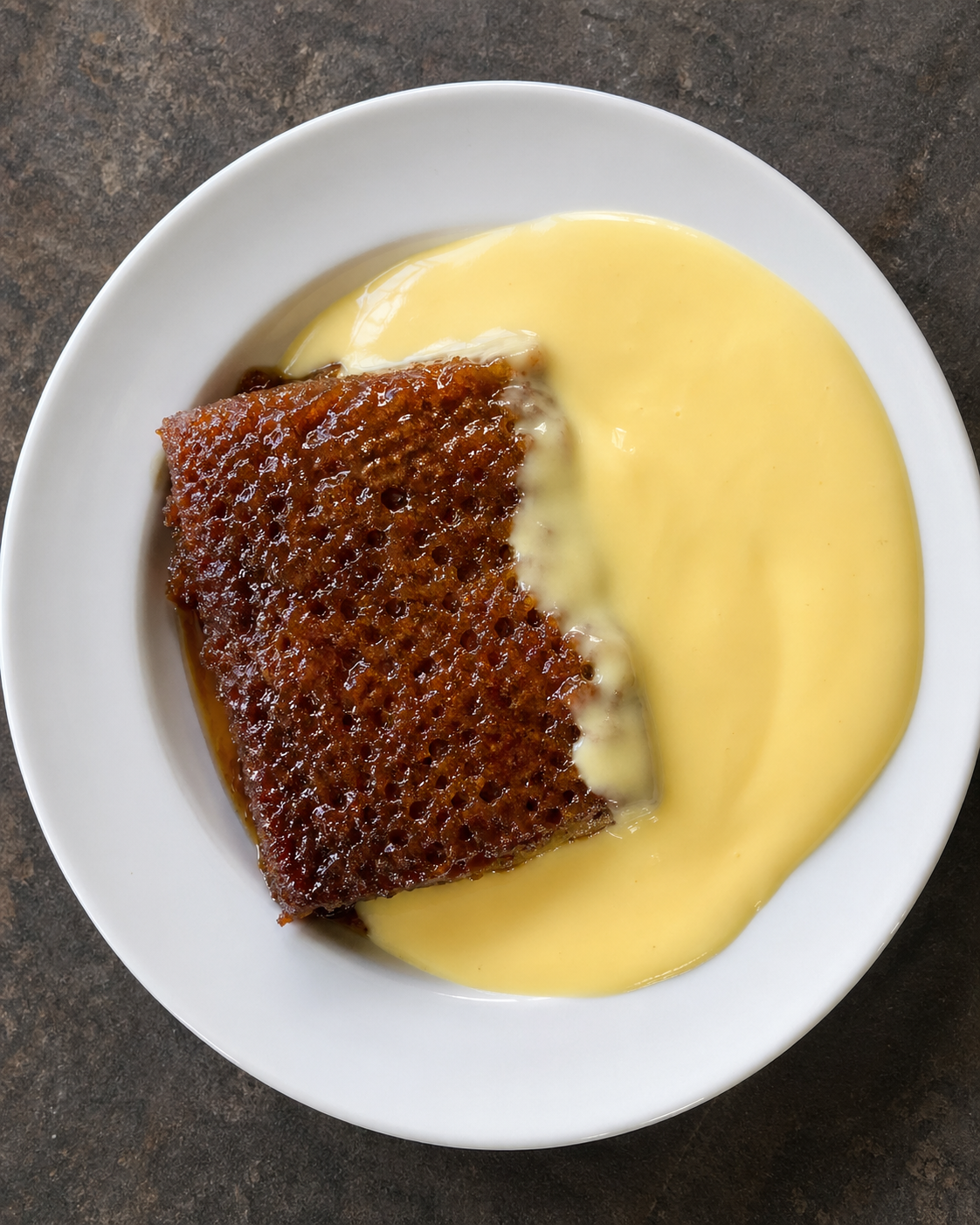
Every breakfast includes a hot breakfast, a selection of cereals, and porridge or oats. Lunches and dinners include options such as chicken wraps, chicken with rice, or lasagne with vegetables and salad. Desserts include options such as malva pudding with custard.

Illustrative meal examples. Menus vary.

If your child refuses a meal, Camp Mom checks in to understand why and another meal is offered. If they still will not eat, we contact you.

Our kitchen is not halaal or kosher. We source from halaal suppliers and offer pork-free alternatives such as macon and chicken sausages. Parents are welcome to provide their own food if they prefer their child not to eat meals prepared in our kitchen.

There is no extra charge for holiday campers’ dietary requirements. Please discuss restricted eating, meal requirements and allergies with the team before booking.

03 / Care & safety

Help when your child needs it

Settling in, homesickness and Camp Mom

Counselors get to know children through cabin life, meals and activities. If a camper is homesick or struggling to join in, they listen, help them find activities they enjoy and involve senior staff when more support is needed.

Our Camp Mom checks in with your child to make sure they’re doing well and helps with concerns about settling in, friendships or joining in. If there is a concern about your child’s wellbeing, we contact you immediately. Children can tell any staff member when something is wrong, and parents can contact the office with concerns.

Bullying and feeling included

Bullying, pranks and practical jokes are not allowed at Sugar Bay. Counselors watch for teasing, exclusion and changes in behaviour. They intervene when they notice a problem and report incidents to senior staff, even if the immediate issue seems resolved. Camp Mom can help with further support, and parents can speak directly to management.

Supervision and water safety

Children are supervised throughout camp. Campers follow a rule of three when moving around camp: they do not go off alone or with just one other camper or counselor. Access from camp to the beach and lagoon is controlled.

Your child does not need to be a strong swimmer to enjoy Sugar Bay. Swimming ability is assessed and determines participation and support in water activities. Qualified lifeguards and trained counselors supervise water sessions. Campers follow the water-safety rules and lifejacket requirements for their ability and activity, with plenty of land-based and creative choices too.

In “Before a child needs rescuing”, Zoë explains the thinking behind swim assessments, yellow rash vests, lifeguard supervision and preparing children before they enter the water.

The Health Centre

A nurse runs our Health Centre, with a doctor on call. The team manages routine medical care and medication, and can arrange further medical care when needed.

Routine medication is handed in on arrival and managed through the Health Centre. Discuss medical needs, allergies and prescribed medication with us before camp so care arrangements can be agreed. Give us current medical information and contact details, including an alternative contact if you may be difficult to reach.

Parents are contacted directly if their child is unwell. Cabin counselors check on campers resting in the Health Centre and bring their meals.

04 / Staying connected

While your child is away

Phones are handed in on arrival and returned on departure. You can stay connected through camp updates, letters and direct contact with the team.

Daily updates and glimpses of camp

Parents can join a parents’ WhatsApp group for daily updates on what’s happening at camp. We post daily photos on Facebook and share videos in our Facebook, Instagram and TikTok Stories for a glimpse of what’s happening during camp.

Letters between you and your child

Email a letter to your child at away@sugarbay.co.za and include your child’s full name. Letters are delivered during mealtimes. Campers can write back, and their letters are emailed to parents.

First-time campers also write letters home first thing on their first morning, which are emailed to parents.

Travel updates

Separate WhatsApp groups share airport arrival and departure updates and updates during the Sandton coach journey.

For questions or concerns, contact the office on 032 485 3778 or holidays@sugarbay.co.za. You can also WhatsApp us on 082 525 9503. Use the office for urgent concerns rather than camper mail.

05 / Your next step

Choosing, booking and getting ready

Choose a session

Start with the current Dates & Prices page to compare dates, themes, length of stay and fees. Families book holiday-camp places directly with Sugar Bay. If you’re unsure which session would suit your child, talk with the bookings team about their age, interests and experience of staying away from home.

The camp fee includes accommodation, bedding, meals, the regular activity programme and supervision. Transport, optional excursions and tuckshop spending are additional costs. Check the details for your chosen session before paying.

Discuss individual needs and travel

Tell us about medical, dietary, rooming or additional support needs before booking. You can bring your child to camp at 21 Nkwazi Drive, Zinkwazi Beach, or ask about supervised Sandton coach travel and King Shaka airport transfers. Coach availability depends on bookings. Confirm your travel arrangements with the team before booking flights.

If you would like to see camp first, phone the office to arrange a visit in advance.

Complete the booking and prepare together

Complete the online booking form and follow the current deposit, payment and booking conditions to secure your child’s place. Check the deadlines and terms supplied for your booking.

Before camp and collection

After confirmation, you receive a packing list, camp information and the relevant transport details or directions. Pack with your child, label their belongings and check the session information for theme outfits or excursion items.

Use the arrival and collection times supplied for your session. Before collection, confirm who is collecting your child and provide their contact details and a copy of their ID. Tell the bookings team in advance if someone else will collect them.

Ready to find their camp?

Compare the dates and themes, or speak to us about your child’s first stay.

Planning a school group visit? Explore school tours.

bottom of page